Gopher to Badger Link: The Grid of the Future
For years, power has reliably been delivered to our homes, schools and businesses 99% of the time. That isn’t luck — it is careful planning over decades to ensure the electric grid can always deliver power to your home, even during extreme weather events.
Now, it is time in Minnesota to think about the grid of the future.
Demand for electricity is growing. After decades of relatively flat demand, our regional grid operator, the Midcontinent Independent System Operator (MISO), is projecting demand to grow about 1% a year for the next 20 years.
Our regional electrical supply is also changing. The generation fleet is diversifying, both in geography and in generation type.
At the same time, our members and others throughout the region are working with aging infrastructure that must be replaced.
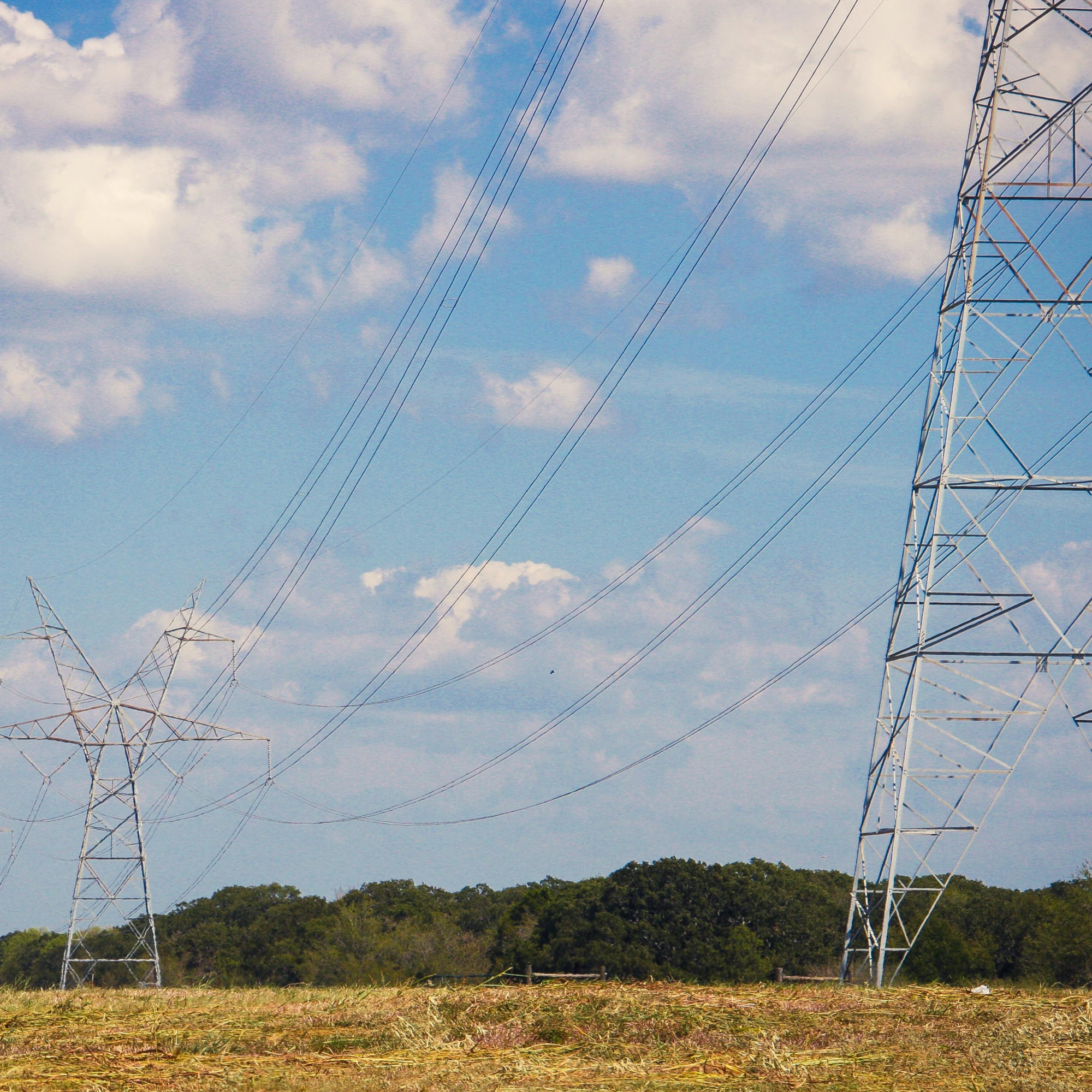
To address these challenges, in December 2024, MISO worked with stakeholders to develop a series of projects under its Long-Range Transmission Plan (LRTP). Part of that work includes a new 765 kilovolt (kV) transmission ‘backbone’ across the Upper Midwest that will improve access to low-cost energy resources to power homes, farms and businesses throughout the region.
One of those projects is the Gopher to Badger Link, a proposed new transmission line that would span from North Rochester over to the Mississippi River, where it crosses into Wisconsin.
The benefits to the region are numerous. The Gopher to Badger Link will improve safety and reliability by helping enable the delivery of low-cost electricity from diverse resources to customers at all hours of the day. In addition to those benefits, the MariBell segment — running from Marion, Minnesota to Wisconsin — will replace existing infrastructure that has been in place for many decades. The project will also inject millions of dollars in economic impact and create hundreds of jobs.
Without proactive, long-range planning and investment, the electric grid will become congested. That means electricity can’t always get to where it’s needed, which can drive costs up and make it harder to reliably power homes, farms and businesses.
Right now, the project developers are working on preliminary design and routing options before submitting a route permit application to the Minnesota Public Utilities Commission (MPUC) in the fall. This is the second filing required to build a transmission line in the state. The first, a Certificate of Need, was filed by the developers earlier this year. You can visit the filing on the MPUC website and search “25-121” under eDockets.
The MPUC will assess project need and route during their review process, which includes public meetings and numerous opportunities to provide feedback and share concerns. Like all projects of this scale, feedback is one of the most important parts of the process.
“Transmission projects like the Gopher to Badger Link and others around Minnesota, are important for reliability, achieving our climate goals and long range economic growth,” said CEO Darrick Moe of the Minnesota Rural Electric Association.
To learn more about the project, visit www.gophertobadgerlink.com. Find out more about MISO’s Long-Range Transmission Plan.