Minnesota co-ops encourage conservation as MISO issues grid alert
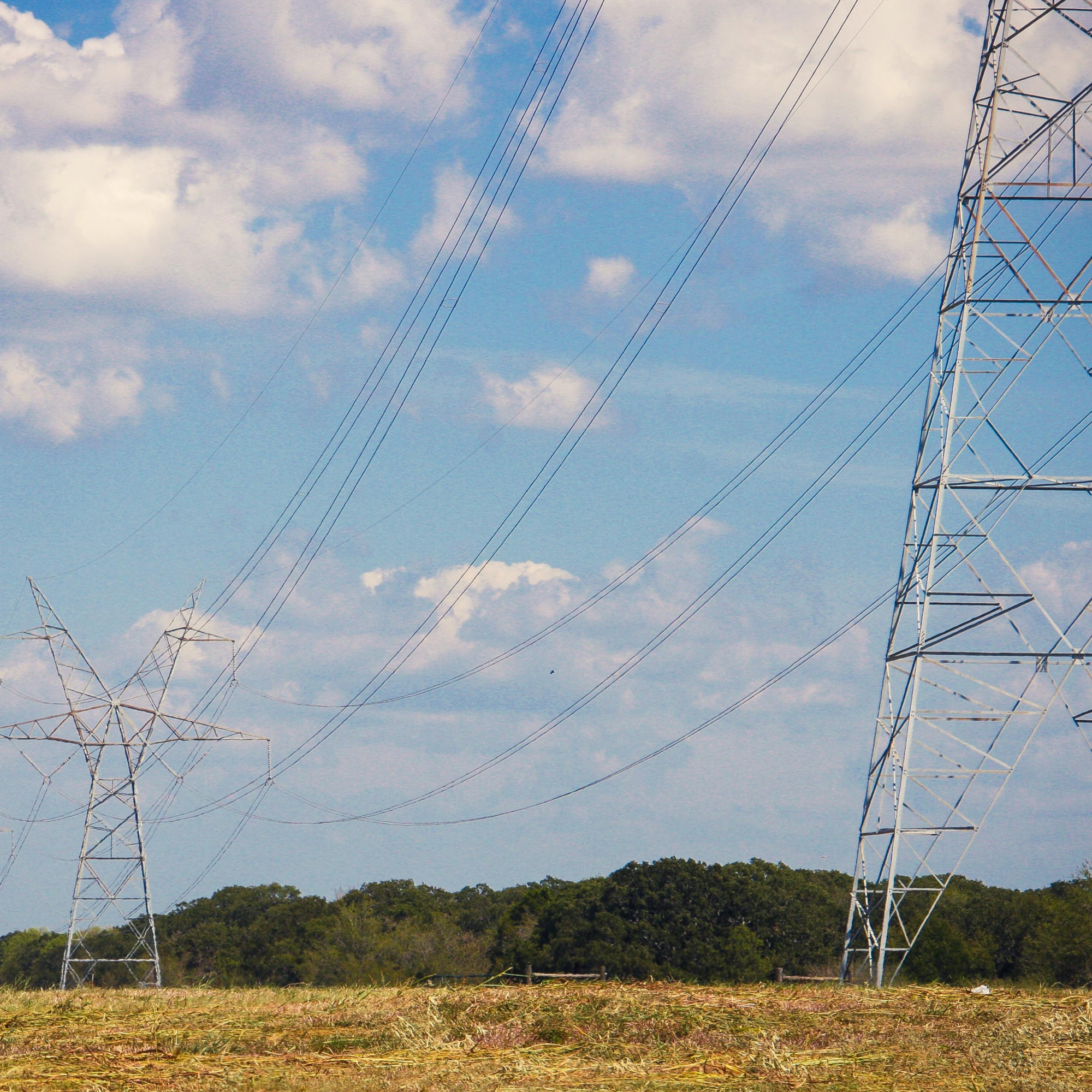
As Minnesota sees a stretch of 90+ degree temperatures that bring with it increasing electricity demand, the Midcontinent Independent System Operator (MISO) has issued an alert asking consumers across the Midwest to voluntarily conserve electricity to help maintain reliability across the regional power grid.
Minnesota’s electric cooperatives encourage members to take simple steps to reduce energy use during peak periods, such as adjusting thermostats a few degrees higher, delaying the use of major appliances and turning off unnecessary lights and electronics until later tonight. These actions can help reduce strain on the electric system when demand is at its highest.
At the same time, this week’s conditions serve as an important reminder about the realities of powering our economy and our communities. Wind, solar and battery technologies will continue to play an important role in our energy future, but periods of extreme heat demonstrate why a diverse generation mix remains essential. When demand surges and weather conditions are challenging, consumers depend on every available resource to keep the lights on and air conditioners running.
“Asking consumers to conserve electricity during periods of extreme demand highlights an inconvenient truth: reliability still matters,” said Darrick Moe, CEO of the Minnesota Rural Electric Association. “Wind, solar and batteries are important tools, but they cannot replace the around-the-clock dependability provided by dispatchable generation. This is another great reminder of why we need to remove the moratorium on nuclear energy in Minnesota as soon as possible.”
“If we retire reliable power plants before adequate replacement resources are ready, we risk making conservation appeals and emergency alerts a more common occurrence,” Moe said.
The electric grid is undergoing a historic transformation, with growing electrification and increasing dependence on electricity for everyday life. Maintaining reliability through that transition will require an “all-of-the-above” approach that values dependable generation resources alongside renewable energy and emerging technologies.
For now, consumers can help by taking reasonable conservation measures during peak demand periods and staying informed through updates from their local electric cooperative.